
How we work with your schedule and skill level
Every group session adjusts to the participants who show up. If half the group has never held a nail file and the other half runs a home salon, we split the work accordingly. The structure stays consistent but the pace and detail level shift based on who is in the room.
-
1
Session times rotate weekly between mornings, afternoons, and evenings so shift workers and parents can attend at least two sessions per month
-
2
Techniques are demonstrated on natural nails, gel extensions, and acrylics in the same session so everyone sees how the method translates to their preferred base
-
3
Materials are provided but participants can bring their own polish brands if they want to practice with what they already own
Who runs the sessions
Fionnuala Dempsey
Lead facilitator
Trained at London School of Beauty and ran a nail bar in Camden for six years before switching to group education. Specialises in freehand art without stencils.
Siobhan Rafferty
Technique instructor
Competed in three regional nail art competitions and placed twice. Focuses on precision work and correcting common mistakes before they become habits.
Bronwyn Keating
Materials coordinator
Manages supplier relationships and tests new product lines before recommending them. Knows which budget brands perform like premium and which premium brands are overpriced.
The gap we address
Seasonal designs look easy online but fail in practice
Tutorial videos skip the parts where things go wrong. They do not show you how to fix a smudged snowflake or what to do when your glitter top coat pulls up the base layer. You watch someone create a flawless candy cane stripe in real time and assume your attempt should look the same. It does not, and you are left wondering if you lack talent or if the video left something out. Usually it is the second one. Our sessions fill in what gets edited out — the corrections, the retries, the small adjustments that make a technique actually work on your nails with your tools.
What makes this work
Each session follows a demonstration-practice-feedback cycle. The instructor shows a technique in full, participants attempt it on their own nails, then we review results as a group. Mistakes get diagnosed in real time so you know whether the issue is tool pressure, drying time, or product choice.
Designs are broken into layers. You learn the base coat application first, then the accent layer, then the detail work. If one layer fails you restart from that point instead of stripping everything and beginning again.
Questions are answered during practice time, not after. If you are unsure whether your polish is dry enough to add the next layer, ask before you ruin it.
What participants actually create
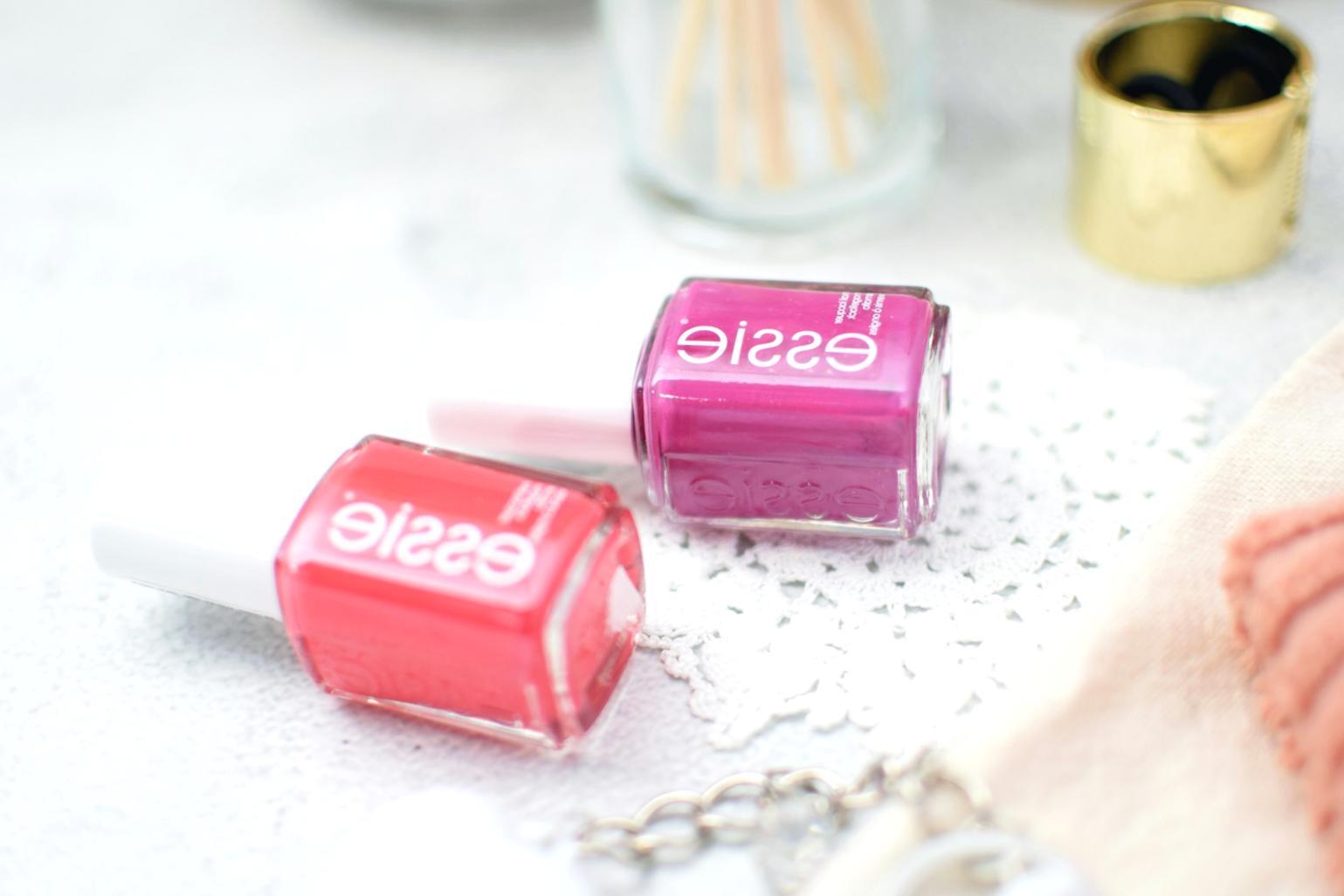
December group outcome
Participants with no prior experience completed a three-layer snowflake design using stamping plates and freehand accents. Two attendees adapted the pattern for short nails and it still looked cohesive.

Mid-session collaboration
A participant struggling with candy cane stripes received direct feedback from another attendee who had solved the same problem the week before. Peer correction often works faster than instructor guidance.

Advanced detail layer
After mastering the base technique, one group member added micro-glitter accents using a dotting tool. The instructor documented the process so it could be shared with future sessions.
Professional standing and affiliations
-
British Beauty Council
Registered training provider since 2020, annual compliance review completed
-
Nail Harmony UK
Approved educator for gel systems and product application techniques
-
HABIA accreditation
Standards authority recognition for nail services training delivery